By Liz Goodwin, Yahoo! News
National Affairs Reporte
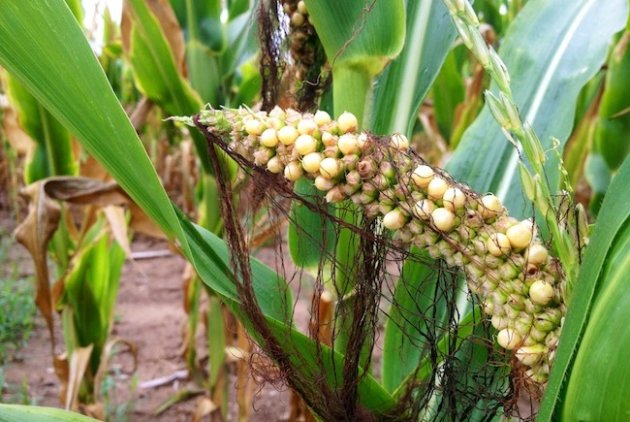
The worst drought in a generation is punishing farmers and burning up the nation's corn crop. Nearly 65 percent of the nation is experiencing a drought right now, according to the U.S. Drought Monitor. Many farmers were just trying to get over last summer's dry spell when the hottest June on record rolled in, threatening to destroy crops and desiccate pastures.
While it's still unclear exactly what the drought will mean for the U.S. environment and economy, a few concerning consequences are already apparent. But experts predict other worrisome outcomes yet to come. (If you have stories or photos about how the drought is affecting you, share them with us here.) Here are a few consequences that could crop up due to the drought:
1. Rising food prices at home
The U.S. Department of Agriculture warned last week that Americans should expect to pay 3 to 5 percent more for groceries next year because of the drought. Most of the price hikes will be for chicken, pork, beef and dairy, since the dry weather is scorching up the nation's corn crop, which feeds these animals. Soybeans and wheat prices are also on the rise. Other fruits and veggies, most of which are irrigated, aren't likely to be as affected.
2. World food prices and social unrest
While no one likes to have to pay more for food, Americans are on the whole much less vulnerable to food price spikes because, on average, they spend less than 15 percent of their budgets on food. In developing nations, such as India, food spending accounts for nearly half of the average household's funds. While experts don't know for sure how the drought will affect world food prices, many nations depend upon America's corn, soybean and wheat exports. Colombia, El Salvador, Guatemala, Japan, Peru, South Korea and East African countries are the most dependent on U.S. corn imports, the Guardian reported last week. Food prices and social unrest have been closely correlated over the past five years, leaving experts to fear a repeat of 2007 and 2010, when waves of social unrest followed food cost hikes.
3. Sad, skinny animals at county fairs
Though far less serious than some of the other drought outcomes, the AP reports that prize animals showing up at state and county fairs this summer are far skinnier than their prize-winning ancestors. In one Wisconsin-area fair, entries were down by two-thirds, as farmers said they were too busy struggling to stay afloat with their dried-up pastures and the rising cost of feed to enter into the contests at all.
4. Wildfires
Firefighters have been battling wildfires in Nebraska, Arkansas, California, Texas, Colorado and other states this summer. Extra-dry conditions mean more fires are likely as the summer stretches on.
5. Barges stuck on riverbeds, roads buckling
The drought is taking its toll on key transportation and infrastructure in the country. The Mississippi River has gotten so low that barge operators are worried they will get stuck while navigating it. They've had to lighten their loads, which means taking more trips to transport $180 billion in grain, coal and other goods. Meanwhile, roads are buckling, water pipes are bursting, and power lines are burning up in wildfires due to the nine-month drought, reports The Texas Tribune.
article source: http://news.yahoo.com/blogs/lookout/mercury-rising-5-consequences-drought-scorching-american-farmland-172528603.html?_esi=1
Read more ...
National Affairs Reporte
Drought-damaged corn on a Michigan farm. (Robert Ray/AP)
While it's still unclear exactly what the drought will mean for the U.S. environment and economy, a few concerning consequences are already apparent. But experts predict other worrisome outcomes yet to come. (If you have stories or photos about how the drought is affecting you, share them with us here.) Here are a few consequences that could crop up due to the drought:
1. Rising food prices at home
The U.S. Department of Agriculture warned last week that Americans should expect to pay 3 to 5 percent more for groceries next year because of the drought. Most of the price hikes will be for chicken, pork, beef and dairy, since the dry weather is scorching up the nation's corn crop, which feeds these animals. Soybeans and wheat prices are also on the rise. Other fruits and veggies, most of which are irrigated, aren't likely to be as affected.
2. World food prices and social unrest
While no one likes to have to pay more for food, Americans are on the whole much less vulnerable to food price spikes because, on average, they spend less than 15 percent of their budgets on food. In developing nations, such as India, food spending accounts for nearly half of the average household's funds. While experts don't know for sure how the drought will affect world food prices, many nations depend upon America's corn, soybean and wheat exports. Colombia, El Salvador, Guatemala, Japan, Peru, South Korea and East African countries are the most dependent on U.S. corn imports, the Guardian reported last week. Food prices and social unrest have been closely correlated over the past five years, leaving experts to fear a repeat of 2007 and 2010, when waves of social unrest followed food cost hikes.
3. Sad, skinny animals at county fairs
Though far less serious than some of the other drought outcomes, the AP reports that prize animals showing up at state and county fairs this summer are far skinnier than their prize-winning ancestors. In one Wisconsin-area fair, entries were down by two-thirds, as farmers said they were too busy struggling to stay afloat with their dried-up pastures and the rising cost of feed to enter into the contests at all.
4. Wildfires
Firefighters have been battling wildfires in Nebraska, Arkansas, California, Texas, Colorado and other states this summer. Extra-dry conditions mean more fires are likely as the summer stretches on.
5. Barges stuck on riverbeds, roads buckling
The drought is taking its toll on key transportation and infrastructure in the country. The Mississippi River has gotten so low that barge operators are worried they will get stuck while navigating it. They've had to lighten their loads, which means taking more trips to transport $180 billion in grain, coal and other goods. Meanwhile, roads are buckling, water pipes are bursting, and power lines are burning up in wildfires due to the nine-month drought, reports The Texas Tribune.
article source: http://news.yahoo.com/blogs/lookout/mercury-rising-5-consequences-drought-scorching-american-farmland-172528603.html?_esi=1
